Vacuum Sealer vs Heat Sealer: Which Job Needs Which? (October 2026)
Choose a vacuum sealer to remove air from compatible bags; choose a heat sealer to close heat-sealable bags without vacuuming them. The right tool depends on whether air removal or a simple sealed opening is the job.
On this page (7 sections)
- Vacuum sealer vs heat sealer: what is the main difference?
- When should you choose a vacuum sealer?
- When is a heat sealer the better choice?
- Which sealer fits common kitchen jobs?
- Do the bags need to match the sealer?
- How do you choose between the FoodSaver and impulse sealers?
- What should you buy for food storage or packing?
Choose a vacuum sealer to remove air from compatible bags; choose a heat sealer to close heat-sealable bags without vacuuming them. In a vacuum sealer vs heat sealer comparison, the key difference is the job each tool performs.
A vacuum sealer is built for reducing air around food in a compatible bag. A heat sealer presses heat across a bag opening to close it, leaving the air inside.
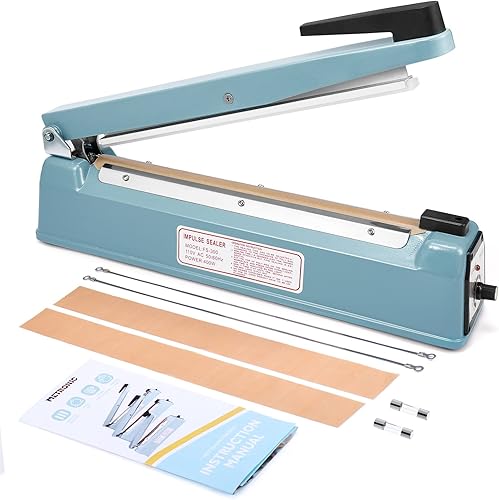
The FoodSaver FM2100 suits vacuum food storage and includes a roll cutter. The METRONIC and Sealer Pro are impulse heat sealers for closing suitable bags.

Vacuum sealer vs heat sealer: what is the main difference?
A vacuum sealer removes air before sealing; a heat sealer closes a bag opening. That difference determines which one fits your task.
Vacuum sealers draw air out of compatible bags and then seal them. For a plain-language explanation of the pump, sealing bar and bags, see how vacuum sealers work.
Impulse heat sealers apply heat when you press the handle. The METRONIC has a 12 in sealing bar and adjustable timer control, while the Sealer Pro has a 12 in sealing length and an 8 mm sealing width.
A closed bag and a vacuum sealed bag aren't the same thing. If the package needs air removed, a heat sealer alone won't do that.
When should you choose a vacuum sealer?
Choose a vacuum sealer when reducing air around food is part of your storage plan. It suits portions, leftovers and bulk food you want to seal in compatible bags.
The FoodSaver FM2100 has dry and moist food modes, an accessory port and hose, and built-in roll storage with a cutter. It can make custom bag lengths from a roll, and its package includes starter bags and a roll.
A vacuum sealer doesn't automatically suit every food or container. Follow the machine and food storage guidance, especially for moist foods and foods that need refrigeration or freezing.
For a closer look at choosing a machine type, read what vacuum sealer should I buy?. If you're deciding on bag formats, how vacuum sealer rolls work explains how to cut and use a roll.
When is a heat sealer the better choice?
Choose a heat sealer when you need to close a compatible bag but don't need to remove air. It can suit packing dry goods, supplies or products in heat-sealable bags.
The METRONIC has an adjustable timer control to match heat to bag thickness. It operates manually and doesn't require warm-up; the Sealer Pro is also an impulse heat sealer for heat-sealable materials.
Heat settings matter. The METRONIC's instructions say to start low and increase the setting if the bag doesn't seal, since too much heat can melt the opening.
A heat sealer doesn't make a package suitable for long-term food storage by itself. Choose a bag made for the contents and storage conditions, and follow safe food handling practices.
Which sealer fits common kitchen jobs?
Use a vacuum sealer for food portions you want to store with less air; use a heat sealer for a quick closure on a suitable bag. Consider the package and storage goal before choosing.
For meat portions or batch-cooked food, a vacuum sealer can close compatible bags after drawing out air. The right bag size and a clean seal matter, so see the guide to vacuum sealer bags for meat and large cuts.
For dry goods stored in jars, a vacuum sealer accessory may be relevant, depending on the machine and jar system. Our guide to vacuum sealing Mason jars for dry goods covers that approach; vacuum sealing is not canning.
For small shop packing, crafts or supplies, an impulse heat sealer may be simpler if all you need is a closed bag. It doesn't need to evacuate air, though you do need bags that work with heat.
If you want a way to close a food bag without a dedicated vacuum sealer, vacuum sealing without a vacuum sealer describes other approaches. Those methods don't turn a heat sealer into a vacuum machine.
Do the bags need to match the sealer?
Yes, match the bag to the sealer's method and the contents. A vacuum machine needs compatible vacuum bags, while an impulse sealer needs a material that can be heat sealed.
Vacuum sealer rolls let you make bags at the length you need, but the roll must suit the sealer. Check the machine instructions before using a different brand or material.
Heat sealers can work with different materials, but not every plastic is heat-sealable. The Sealer Pro is described for materials including foil, mylar, snack, cellophane, kraft and polyester bags.
Don't assume that because a heat sealer can close a bag, the result is airtight or suitable for freezer storage. Packaging type and intended use matter.
How do you choose between the FoodSaver and impulse sealers?
Choose the FoodSaver FM2100 for vacuum food storage, and choose an impulse sealer for closing suitable bags without vacuuming. The METRONIC offers adjustable timer control, while the Sealer Pro calls out support for varied heat-sealable materials.
The FoodSaver's roll cutter and starter bags make it the most directly suited of these three for portioning food into vacuum bags. Its accessory port and hose provide another way to use compatible FoodSaver accessories.
The METRONIC and Sealer Pro both have 12 in sealing lengths. The METRONIC provides an adjustable timer, while the Sealer Pro specifies an 8 mm sealing width and a built-in fuse safety system.
Our scores weigh the product features against the job this comparison's reader needs to do. They aren't test results, and the best fit still depends on your bag type and intended use.
| Product | Best for | Function | Bag setup | Accessories | Our score |
|---|---|---|---|---|---|
| FoodSaver FM2100 Vacuum Sealer | vacuum food storage | Vacuum sealing | Roll storage and cutter | Port, hose, starter bags and roll | 8.7 |
| METRONIC 12-Inch Impulse Heat Sealer | adjustable bag sealing | Impulse heat sealing | 7.8 | ||
| Sealer Pro 12-Inch Impulse Heat Sealer | varied heat-sealable bags | Impulse heat sealing | 7.5 |
What should you buy for food storage or packing?
Pick a vacuum sealer if you need air removed from compatible food bags; pick a heat sealer if you only need a compatible bag opening closed. That simple rule covers most home and small packing tasks.
Choose the FoodSaver FM2100 when you want to portion food into vacuum bags and make custom lengths from a roll. Choose the METRONIC if adjustable heat timing for bag thickness is useful, or the Sealer Pro if your work calls for sealing a range of heat-sealable materials.
Before you buy, identify the bag material, the package contents and whether removing air matters. Then match the machine to that job and follow its instructions.
For the wider range of bag and jar options, continue to the bags, rolls and jars guide.
Frequently asked questions
Is a heat sealer the same as a vacuum sealer?
No. A heat sealer closes a compatible bag opening with heat, while a vacuum sealer removes air from a compatible bag before sealing it.
Choose by the result you need: a closed package or reduced air around food for storage.
Can a heat sealer vacuum seal food?
No. An impulse heat sealer closes the bag but does not remove air.
For vacuum sealing food, use a vacuum sealer with compatible bags, or use another method designed to remove air before closing the package.
Can you use a vacuum sealer as a heat sealer?
A vacuum sealer's sealing bar closes its compatible bag after air removal, but it is not a general purpose heat sealer for every plastic bag. Check the bag and machine instructions, since materials and sealing needs vary.
Which is better for snacks?
A heat sealer is useful for closing a suitable snack bag when you want a simple sealed opening and don't need to remove air. For longer food storage where reducing air matters, use a vacuum sealer and compatible vacuum bags.
Do vacuum sealers and heat sealers use the same bags?
Not always. Vacuum sealers need bags compatible with their vacuum method, while impulse heat sealers work with heat-sealable materials.
Confirm the bag material and machine instructions before sealing, since a bag that accepts heat may not work with a vacuum sealer.


