Butcher Paper vs Vacuum Sealer for Freezing Meat: Which Is Better? (October 2026)
Choose coated freezer paper for simple hand-wrapped cuts, or a vacuum sealer for compact packs with air removed. Butcher paper is breathable and unwaxed, so it suits cooking and short-term wrapping better than coated freezer paper does.
On this page (9 sections)
- Butcher paper vs vacuum sealer: which is better for freezing meat?
- How well does each method protect meat in the freezer?
- Which method is easier for bulk meat and meal portions?
- Does butcher paper make meat taste better?
- Which option is simpler to use and label?
- Which products fit each approach?
- How do you choose between paper and a vacuum sealer?
- What should you do before freezing meat?
- Which should you choose for freezing meat?
Choose coated freezer paper for hand-wrapped cuts, or a vacuum sealer for compact portions with air removed. In a butcher paper vs vacuum sealer comparison, the key difference is the package: paper wraps around meat, while a sealer pulls air from a bag before closing it.
Uncoated butcher paper works for cooking and general wrapping, but it is breathable. For freezing, compare coated freezer paper with vacuum sealing instead.
The right method depends on your cuts, freezer space and wrapping routine. Our guide to vacuum sealing frozen meat covers what to do when the meat is already frozen.


Butcher paper vs vacuum sealer: which is better for freezing meat?
A vacuum sealer is the better fit when you want air removed; coated freezer paper is a simpler choice for wrapping by hand. Neither method replaces safe freezer temperatures or careful food handling.
Coated freezer paper has a plastic layer on one side that helps form a barrier against air and moisture. The IDL Packaging roll has that coating and a writable outside surface for labeling.
A vacuum sealer closes meat inside a bag after removing air. That can make portions compact and easier to stack, but it requires bags and a machine.
Uncoated butcher paper is a different material. It is breathable, which helps during smoking and grilling, but it doesn't create an airtight freezer package.
Is butcher paper the same as freezer paper?
No, butcher paper and freezer paper can have different coatings and uses. The white butcher paper here is unwaxed and uncoated, while the freezer paper options have a coating on one side.
The unwaxed paper is suitable for cooking and general food wrapping. For freezer storage, coated freezer paper offers a better barrier than uncoated paper.
Don't use the terms interchangeably when choosing a roll. Check whether the paper is coated and what use you need it for.
How well does each method protect meat in the freezer?
Coated freezer paper and vacuum sealer bags both help limit exposure to air, but they do it in different ways. Paper depends on a snug wrap; vacuum sealing removes air from a bag before sealing it.
Freezer paper's coated side faces the food, while the writable side stays outside for labels. Wrap each cut tightly, fold the ends securely and check that no meat is exposed.
A vacuum bag follows the shape of the meat after air is removed. The machine's seal closes the bag, so leave enough open bag material at the top to create a reliable seal.
Neither method guarantees that meat will keep its quality indefinitely. Date packages, rotate older cuts forward and follow food safety guidance for storage and thawing.
Is vacuum sealing always better than freezer paper?
Vacuum sealing is not automatically the best choice for every cut or kitchen. It uses a machine and bags, while coated freezer paper needs scissors, a flat work area and careful wrapping.
Large cuts may take more handling to fit into a bag, and paper can be trimmed to suit their shape. Smaller portions are easy to stack when vacuum sealed flat, but wrapping them in paper also works if the folds stay secure.
If you freeze meat often, compare the ongoing bag use with your preference for hand wrapping. For flat portions of ground meat, see how to vacuum seal ground beef.
Which method is easier for bulk meat and meal portions?
Vacuum sealing suits repeat portions and organized stacks; freezer paper suits irregular cuts you can wrap by hand. Think about whether your freezer holds individual meals, large roasts or a mix.
Flat vacuum-sealed portions can fit into narrow spaces and make it easier to see what you have. Label each bag before it goes into the freezer, especially if the meat looks similar once frozen.
Paper wrapping takes a few folds per package. It can be practical when you process a range of cut sizes and don't want every piece to fit inside a bag.
A mix of methods can make sense. Use bags for weekly portions and coated paper for larger cuts that are easier to wrap, then label both clearly.
Does butcher paper make meat taste better?
Butcher paper's cooking uses are separate from its role in freezer storage. Uncoated paper is breathable and can be used for smoking or grilling, while freezer paper's coating is intended as a barrier during storage.
The White Butcher Paper, 18-Inch Roll is unwaxed and uncoated. Its maker describes it as suitable for smoking, grilling and storing food, and notes that it can absorb excess fat.
That doesn't make uncoated butcher paper the same as a freezer wrap. If you're buying one roll for cooking and another for freezing, label and store them separately to avoid mixing up their uses.
Which option is simpler to use and label?
Freezer paper needs no machine, while vacuum sealing needs a bag and a clean seal area. Both methods benefit from clear labels with the meat type and date.
A coated paper roll lets you cut a sheet for each package. The IDL Packaging roll has a writable surface, so you can mark its contents and date directly.
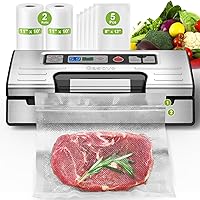
The NESCO VS-12 has dry, moist and double seal modes, plus normal and gentle vacuum options. It also has built-in roll storage and a sliding cutter, which can help when making bags from rolls.
For the sealer, keep the bag opening clean and dry where the machine makes its seal. If the seal fails or the machine won't pull air, use our troubleshooting guide for a vacuum sealer that isn't vacuuming.
Which products fit each approach?
Choose a product based on whether you want coated paper, cooking paper or vacuum-sealed portions. These options cover both hand-wrapping and bag sealing.
How do you choose between paper and a vacuum sealer?
Choose by package shape, freezer space and how much meat you wrap at once. The method you'll use correctly is more useful than the one with the most features.
Pick coated freezer paper if you want to wrap cuts without a machine, or if large pieces are awkward to place in bags. Its writable surface makes labeling straightforward.
Pick a vacuum sealer if you portion meat regularly and want air removed from each bag. A countertop machine needs storage space and a supply of compatible bags.
Choose uncoated butcher paper for cooking and smoking uses. For a broader look at machine types, read what vacuum sealer to buy.
What should you do before freezing meat?
Package meat in a clean workspace, label it and move it promptly to the freezer. Keep raw meat separate from ready-to-eat food, and wash hands and surfaces after handling.
Divide bulk meat into portions you can thaw and use at one time. This avoids thawing more than you need and makes the freezer easier to organize.
With paper, cover every exposed surface and secure the folds. With a vacuum sealer, follow the machine's directions for bag placement, settings and sealing.
Use the freezer's recommended temperature and follow current food safety advice for storage and thawing. The USDA freezing and food safety guidance explains safe freezer practices.
Which should you choose for freezing meat?
Choose coated freezer paper for hand wrapping and vacuum sealing for compact, air-reduced bags. Choose uncoated butcher paper when you need a breathable roll for smoking or general food wrapping.
If you freeze meat in regular portions, a countertop sealer can make bagging more repeatable. If you freeze occasional large or irregular cuts, coated paper may be easier to handle.
For more equipment choices, browse our meat, fish and freezer guides. When your main goal is processing larger batches at home, compare the best vacuum sealers for meat processing.
Frequently asked questions
Is butcher paper or a vacuum sealer better for freezing meat?
A vacuum sealer is better when you want air removed from a portioned bag, while coated freezer paper suits hand-wrapped cuts and simple labeling. Uncoated butcher paper is breathable and useful for cooking, but it doesn't form an airtight package.
Match the material to how long you'll store the meat and how you'll use it.
Can you freeze meat in butcher paper?
You can wrap meat in paper for freezer storage, but use freezer paper with a coated side for a stronger barrier against air and moisture. Uncoated butcher paper is breathable, so it is less suited to protecting meat over longer storage.
Wrap snugly, label the package and keep the freezer at a safe temperature.
Should you vacuum seal meat before freezing it?
Vacuum sealing is useful if you want compact portions with air removed, especially when you freeze meat in regular batches. Use bags made for vacuum sealers, leave enough room for a sound seal and follow the machine instructions.
For help with frozen cuts, see our guide to vacuum sealing frozen meat.
Does freezer paper prevent freezer burn?
Coated freezer paper forms a barrier against air and moisture, which helps protect wrapped meat from freezer burn. It still depends on a snug wrap with no exposed areas.
Write the cut and date on the outside so you can rotate packages, and use the storage time guidance for the specific meat.
Can you use butcher paper to wrap meat for smoking?
Uncoated butcher paper is commonly used for smoking and grilling because it is breathable and can absorb excess fat. That same breathability means it isn't an airtight freezer package.
Keep a separate roll for cooking and use coated freezer paper or vacuum sealer bags for freezer storage.