How to Vacuum Seal Ground Beef in Flat Packs
Divide ground beef into meal-size portions, press each into a flat shape, and seal it in a bag with a clean, dry edge. Label and freeze the packs flat so they stack and thaw more evenly.
On this page (9 sections)
- How do you vacuum seal ground beef in flat packs?
- How much ground beef should go in each pack?
- How do you keep the bag edge clean?
- Should you freeze ground beef before vacuum sealing?
- Which sealer features help with ground beef?
- How do you freeze and thaw the sealed packs?
- What can go wrong when vacuum sealing hamburger meat?
- How do you choose bags for flat ground beef packs?
- What is the simplest way to store flat packs?
To vacuum seal ground beef in flat packs, portion the meat, press it into an even slab, and seal it in a clean, dry bag with clear space at the opening. Label each pack and freeze it flat so it stacks neatly and is easier to thaw.
Flat packs save freezer space and make portions easier to separate than a round lump. Keep the raw beef cold throughout the process, and clean any surfaces or tools that touch it.
How do you vacuum seal ground beef in flat packs?
Shape each portion into a flat, even layer before sealing. A pack around 1 inch thick is a useful starting point because it stacks easily and doesn't form a thick center, but choose a thickness that fits your freezer and cooking plans.
- Chill the ground beef and clear a clean work surface.
- Divide it into meal-size portions.
- Shape each portion into a compact, even slab.
- Put it in a bag, keeping the opening clean and dry.
- Remove air and seal according to your machine's instructions.
- Label the pack, then freeze it flat.
Use a tray to carry the packs to the freezer. Once they are firm, you can stack them, but leave enough room for air to circulate while they freeze.
How much ground beef should go in each pack?
Package the amount you plan to use at one time. Common meal portions vary by household, so choose a size that matches your recipes rather than dividing every pound the same way.
Press the meat into a rectangle with a consistent thickness. Avoid making a bulky center or thin, fragile corners that may be hard to handle.
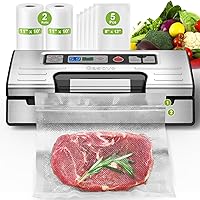
Quart-size bags can suit smaller portions, while larger portions may need a wider bag. The Bonsenkitchen pre-cut quart bags measure 8 x 12 inches and are ready to fill without trimming a roll.
Keep the beef below the bag's textured sealing area and leave several inches of empty space above it. Check your sealer's manual for the clearance it requires.
How do you keep the bag edge clean?
Keep the bag opening free of meat, grease, and water. A clean sealing area gives the machine a better chance of closing the bag fully.
Fold the top edge outward before loading the beef, then unfold it before sealing. If the inside edge gets dirty, wipe it with a clean paper towel and make sure it is dry.
Position the bag so the meat stays well below the opening. Don't overfill it or press the beef upward while arranging the pack.
Should you freeze ground beef before vacuum sealing?
You can seal chilled ground beef, but briefly firming it first can help if it is soft. A short time in the freezer may make the surface easier to handle and help keep meat away from the sealing zone.
Place the shaped pack on a tray while it firms. Don't let raw beef sit out while you prepare other portions; work in small batches and return the rest to the refrigerator.
For already-frozen beef, keep it frozen while handling and use a bag suited to your machine. Our guide to vacuum sealing frozen meat explains when sealing frozen portions can help.
Which sealer features help with ground beef?
A standard external sealer can handle flat packs when the bag is positioned correctly. A machine with a moist-food setting or a gentle option can give you more control when the meat is especially soft.
The FoodSaver FM2100 has dry and moist food modes, a built-in roll cutter, and dual heat sealing strips. Its roll lets you make bags to suit different portion sizes.
The Nesco Deluxe VS-12 offers dry and moist modes, normal and gentle vacuum options, and a double seal setting. Its gentle option may be useful when you want to limit pressure on a soft pack.
Follow each machine's instructions for bag placement and cycle selection. For a broader comparison of meat-focused options, see our vacuum sealers for meat processing at home.
How do you freeze and thaw the sealed packs?
Freeze the sealed packs in a single layer until firm, then stack them. Label each one with the date and portion size before it goes into the freezer.
Keep raw ground beef separate from ready-to-eat food during preparation and storage. Wash hands, utensils, and work surfaces after they touch raw meat.
Thaw packs in the refrigerator, in cold water with the bag sealed, or in the microwave if you will cook the beef right away. Don't thaw raw ground beef on the counter.
USDA's ground beef food safety guidance covers safe storage, thawing, and cooking.
What can go wrong when vacuum sealing hamburger meat?
Most sealing problems come from a wet or dirty bag edge, overfilled bags, or soft meat reaching the seal. Leave room above the portion and pause if liquid or meat moves toward the opening.
If the bag doesn't seal, check that the edge lies flat and the machine's sealing area is clean. Follow the manual's steps before trying another cycle.
If the sealer won't draw air, see why a vacuum sealer may not be vacuuming. For other food-specific methods, browse our meat, fish, and freezer guides.
How do you choose bags for flat ground beef packs?
Choose a bag wide enough for the portion and long enough to leave clear sealing space. Pre-cut bags save trimming time, while rolls let you adjust length for larger or smaller packs.
Use bags made for your vacuum sealer and check the manual for compatible styles. Our guide to vacuum sealer bags for meat and big cuts covers bag thickness and choosing a size.
Keep a few inches of empty bag at the top, and don't stretch the bag tight around the beef. That extra space helps you position the pack and gives the sealer room to close it.
What is the simplest way to store flat packs?
For vacuum sealing ground beef, portion first, keep the meat cold, and make each pack flat with a clean sealing edge. Freeze packs in one layer before stacking, and thaw them safely in the refrigerator or another recommended method.
Choose pre-cut quart bags for portions that fit their width, or a roll-based machine when you want to set bag length yourself. For more freezer prep ideas, see how to vacuum seal vegetables.
Frequently asked questions
Can you vacuum seal raw ground beef?
Yes, you can vacuum seal raw ground beef in a bag made for your sealer. Keep the meat cold, avoid smearing it on the bag opening, and leave enough clear space for the seal.
Freeze the sealed pack promptly if you won't use it soon, and follow safe food handling guidance.
Should ground beef be frozen before vacuum sealing?
You can seal fresh ground beef, but chilling or briefly firming it in the freezer can make it easier to handle and reduce the chance that soft meat gets pulled toward the seal. Keep it cold, and don't leave raw meat at room temperature while preparing several packs.
How much ground beef fits in a vacuum seal bag?
Use the amount you expect to cook in one meal, then flatten it to a thickness that fits your freezer space. Bag width and the sealer's instructions set the practical limit.
Leave several inches of clean bag above the meat for air removal and sealing.
How do you keep ground beef from getting sucked into a vacuum sealer?
Keep the meat cold and shape it into a firm, even pack before sealing. If the beef is soft, chill it until the surface firms up, then position it below the bag's sealing area.
Stop the vacuum cycle if moisture or meat approaches the open edge.