Is a Food Vacuum Sealer Worth It?
Yes, a food vacuum sealer is worth it if you freeze meat, buy in bulk, or cook sous vide regularly. It removes the air that causes freezer burn, so food keeps far longer than it would in bags or wrap.
On this page (8 sections)
- What does a food vacuum sealer actually do?
- When is a vacuum sealer worth the money?
- When is a vacuum sealer not worth it?
- How much food does a vacuum sealer really save?
- Which vacuum sealer should you buy first?
- What should you check before buying a vacuum sealer?
- How do you get the most out of a vacuum sealer?
- So, is a food vacuum sealer worth it for you?
Yes, a food vacuum sealer is worth it if you freeze meat, buy in bulk, or cook sous vide regularly. It removes the air that causes freezer burn, so food keeps far longer than it would in zip bags or wrap.
If you mostly store dry pantry goods and eat fresh food within days, the machine earns little of its keep.
The question of whether a food vacuum sealer is worth it comes down to how much food you freeze and how much waste you want to cut. A sealer changes nothing if your freezer is mostly full of things eaten within a week.
It earns its counter space when meat, fish, cheese and leftovers sit for months.
What does a food vacuum sealer actually do?
A vacuum sealer pulls air out of a special bag and heat-seals the opening, so almost no oxygen is left around the food. Oxygen and moisture are the two main drivers of freezer burn and spoilage.
Removing them slows both.
FoodSaver says its machines preserve food up to 3 years in the freezer. That figure is the maker's claim and assumes fresh food, a proper seal and a freezer held at 0°F.
Even at more modest real-world results, the gap between sealed and unsealed food is large.
The machine seals a plastic bag around the food. A heating strip melts the inner layer of the bag, and the vacuum pump pulls the air out first.
A good seal needs a flat, clean bag edge. Any crumbs or liquid in the seal path cause a slow leak.
That's why most machines include a roll and a cutter: you size the bag to the food so there's less empty space to evacuate.
When is a vacuum sealer worth the money?
It's worth it when the food you'd throw away costs more than the machine and bags together. That usually means bulk meat, garden produce, or a freezer that fills up faster than you can eat it.
The savings show up in two ways: less waste and fewer trips to the store.
You buy meat in bulk
Buying a quarter cow, a case of chicken or family packs on sale makes the most sense when you can portion and seal them the same day. One bag per meal means no freezer burn on the top layer of a big pack and no re-wrapping after each use.
You cook sous vide
Sous vide needs food sealed in a bag that stays under water for hours. A vacuum sealer gives a tighter, more even seal than water-displacement methods and lets you season before cooking.
FoodSaver lists sous vide as a use for the FM2100.
You grow or forage food
Freezing a garden surplus, berries or fish is where sealing pays back fastest. Blanched vegetables and fruit keep their texture far better when air is removed before freezing.
A sealer makes a difference here even if you only process a few batches a year.
You buy in warehouse clubs
Large packs of cheese, nuts, coffee and dried goods go stale quickly once opened. Sealing them in smaller portions keeps them fresh without plastic wrap and clips.
If you shop at a warehouse club monthly, the sealer earns its place on the counter.
When is a vacuum sealer not worth it?
Skip it if you rarely freeze food or mostly store things you'll eat within a few days. A sealer adds a step to every meal, and that step only pays off over weeks or months.
If your freezer holds mostly ready meals and ice, the machine won't earn its space.
Other cases where it's a poor fit:
- You only freeze small amounts and already use good freezer bags.
- You live alone and cook portions you eat within a week.
- You mostly freeze soups and sauces, which need pre-freezing before sealing.
- You have very little counter or cabinet space and won't use a machine you have to dig out.
Soft foods also need care. Bread, cake and soft cheese can crush under full vacuum.
Many machines have a pulse or moist setting, but it's an extra skill to learn. Our comparison of a vacuum sealer vs ziploc bags breaks down when the simpler option is the better buy.
How much food does a vacuum sealer really save?
The savings come from less spoilage and longer freezer life, not from the machine itself. A vacuum-sealed steak keeps its color and texture for months rather than weeks.
That means fewer packages tossed and fewer emergency trips to replace them.
The math works best for people who already waste food. If you regularly throw out freezer-burned meat or moldy cheese, sealing cuts that loss directly.
For households that plan meals tightly and waste little, the savings are smaller.
Bag cost matters too. Rolls cost more per bag than plain freezer bags, so the sealer only pays back when it prevents waste that bags alone wouldn't.
A roll cutter helps here: cutting a bag to fit the food instead of using a too-large bag wastes less plastic and less money. FoodSaver's rolls are BPA free and safe for the freezer, fridge, microwave and dishwasher.
Which vacuum sealer should you buy first?
Start with a full-size machine if you seal family-size portions or bulk meat. A compact vertical model suits small kitchens and light use.
Both FoodSaver models here share the same bag system, so you can size up later without replacing your rolls.
FoodSaver FM2100 Vacuum Sealer: best for bulk freezing
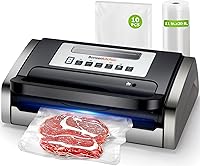
The FM2100 is the full-size pick. It has dual heat sealing strips for a consistent seal, a built-in roll storage and cutter, and dry and moist food settings.
It comes with an 11-inch by 10-foot roll, three quart bags and two gallon bags, plus an accessory hose.
FoodSaver backs it with a 5-year limited warranty. Its 120 watts and automatic operation suit everyday use.
It measures about 16 by 9 inches on the counter, so plan for the footprint before you buy. Our full guide to the best vacuum sealer for food compares it with other options.
FoodSaver PowerVac Compact VS0150: best for small kitchens
The PowerVac stores vertically to save counter space. FoodSaver says it seals with 35% less bag waste than its earlier models, and it keeps food fresh in the freezer up to 5 times longer than ordinary storage.
It has dry and moist settings and a built-in alignment tray.
It includes an 11-inch by 8-foot roll and five bags. The smaller roll means you'll buy refills sooner than with the FM2100.
Read the bonsenkitchen vacuum sealer review if you're weighing a budget brand against FoodSaver.
FoodSaver Custom Length Rolls Multipack: best for stocking up
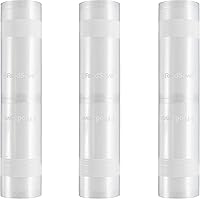
The bag supply matters as much as the machine. This multipack has two 8-inch by 20-inch rolls and three 11-inch by 16-inch rolls.
The material is BPA free and made in the USA, and it's safe for the freezer, fridge, microwave and dishwasher.
Buying rolls in bulk costs less per bag than starter packs. FoodSaver says its bags prevent freezer burn and spoilage up to 5 times longer than other storage methods.
Our foodsaver v4400 review covers another machine in the same bag system.
What should you check before buying a vacuum sealer?
Check the bag system, the seal quality and the footprint before you buy. These three decide whether you'll actually use the machine.
A sealer that's awkward to set up stays in the cabinet.
Bag compatibility. Some makers guarantee only their own bags.
FoodSaver machines work with all FoodSaver bags and rolls.
Generic bags may work but carry more risk of a weak seal.
Seal strips. Dual heat strips give a wider, more reliable seal than a single strip.
That matters for moist foods and for bags you'll handle often.
Dry and moist settings. A moist setting adjusts the vacuum for wet foods like raw meat.
Without it, liquid gets pulled into the pump.
Roll cutter and storage. A built-in cutter saves scissors and lets you size each bag.
Roll storage keeps the supply tidy.
Warranty. FoodSaver offers a 5-year limited warranty on the FM2100.
Check the terms on any model you consider.
Counter space. A full-size model takes about 16 by 9 inches.
A vertical model stands on its side and fits a cabinet better.
How do you get the most out of a vacuum sealer?
Keep the seal bar clean and the bag edge flat, and the machine will seal better. Most failed seals come from crumbs, liquid or a folded bag edge, not from the machine.
Wipe the seal bar after each session and let it dry.
Other habits that help:
- Freeze wet foods for an hour before sealing so liquid doesn't reach the pump.
- Leave an inch of headspace at the open end so the seal strip has clean plastic to grip.
- Don't overfill; a bag that's too full folds and leaks.
- Store sealed bags flat so they stack and thaw evenly.
- Check the seal by pressing the bag; if it springs back, reseal it.
Clean the gaskets and the vacuum channel every few weeks. A dirty channel weakens suction and can shorten the pump's life.
Keep the machine unplugged while you clean it.
So, is a food vacuum sealer worth it for you?
Buy one if you freeze meat, bulk food or garden produce, or cook sous vide; skip it if you mostly eat fresh within a week. For the first group, the machine pays back in less waste and better-tasting frozen food.
For the second, it's an extra appliance that takes up space.
A full-size FoodSaver FM2100 suits bulk freezing and family portions. The compact PowerVac fits small kitchens.
Whichever you choose, budget for rolls, since the bag supply is the ongoing cost. If the answer to whether a food vacuum sealer is worth it is a clear yes for your kitchen, start with a machine that matches your freezer volume and your counter space.
Frequently asked questions
How long can vacuum-sealed food stay in the freezer?
FoodSaver says its machines preserve food up to 3 years in the freezer. Real results depend on how fresh the food was, how well it was sealed, and a steady freezer temperature.
Can you vacuum seal wet foods like marinades or soups?
Not with a standard suction sealer, which pulls liquid into the machine. Freeze liquids first or use a machine with a moist setting and pause the vacuum when liquid starts to climb toward the seal bar.
Do you have to use brand-name bags in a vacuum sealer?
Some makers say their bags and rolls are the only ones guaranteed to seal correctly. Generic rolls often work, but check that the bag material and channel type match your machine before buying in bulk.
How much counter space does a vacuum sealer need?
A full-size model like the FM2100 measures about 16 by 9 inches on the counter. Compact vertical models store on their side to save room, so measure your cabinet before you commit to a full-size machine.
Is a vacuum sealer cheaper than buying freezer bags?
Not at first. The machine is the main cost, and rolls add up over time.
Heavy freezer users who waste less meat and produce often save enough to offset both within a year or two.