Can You Use a Vacuum Sealer on Mylar Bags?
Yes, you can vacuum seal Mylar bags, but the bag has to match the sealer. Most home vacuum sealers only pull air from textured or embossed Mylar, while smooth flat Mylar needs a nozzle-style machine.
On this page (9 sections)
- What type of Mylar bag works in a vacuum sealer?
- Which vacuum sealer suits each type of Mylar bag?
- Can you use a vacuum sealer on mylar bags for long-term storage?
- How do you vacuum seal a Mylar bag step by step?
- How do you get a strong seal on thick Mylar?
- What should you do when your sealer won't vacuum a Mylar bag?
- Is textured Mylar worth the extra cost?
- What mistakes ruin a Mylar vacuum seal?
- So, can you use a vacuum sealer on mylar bags?
Yes, you can vacuum seal Mylar bags, but the bag has to match the sealer. Most home vacuum sealers only pull air from textured or embossed Mylar, while smooth flat Mylar needs a nozzle-style machine.
Mylar is a strong oxygen and moisture barrier, which makes it popular for long-term food storage. The catch is the surface.
A standard channel sealer grips and vacuums through an embossed pattern, and smooth Mylar has none.
What type of Mylar bag works in a vacuum sealer?
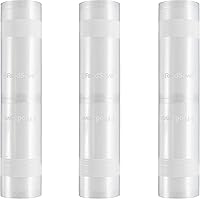
Textured or embossed Mylar works in channel and clamp sealers; smooth flat Mylar does not. The texture creates tiny air paths so the machine can pull a vacuum across the whole bag.
A bag sold as "textured on both sides" is the safest bet for an ordinary home sealer. The channels let air escape evenly instead of trapping pockets against the smooth foil.
Smooth flat Mylar has a glossy, unbroken surface. In a channel sealer the pump pulls against the bag and gets nowhere.
These bags are usually meant for nozzle machines or for heat sealing only.
Check the bag's label or title for words like textured, embossed or channel-compatible before you buy. Plain "Mylar bag" usually means smooth.
Which vacuum sealer suits each type of Mylar bag?
Buy the sealer to fit the bag you already own, or the bag to fit your sealer. The two main types are channel or clamp machines and nozzle machines.
Channel and clamp sealers for textured Mylar
These are the common FoodSaver-style machines. A textured bag goes into the channel, the pump draws air through the texture, and the bar heat seals the end.
They handle pre-cut textured Mylar well and are simple to load.
Nozzle sealers for smooth flat Mylar
A nozzle machine slides a thin tube into the bag opening. The tube draws air straight from inside, so a smooth glossy bag works fine.
The MAGIC SEAL MS175 is built for this job.
Its retractable nozzle reaches into smooth flat and Mylar bags. The 12-inch bar and 5mm wide seal help close thicker material, and the liquid catch traps juices from wet foods so they don't reach the pump.
Can you use a vacuum sealer on mylar bags for long-term storage?
Yes, and Mylar is one of the better choices for long-term dry storage because it blocks oxygen, moisture and light. A vacuum seal removes most of the air and tightens the package.
Dry foods like rice, beans, flour, coffee and dehydrated meals keep well in vacuum sealed Mylar. The foil layer protects against pantry pests and slows oxidation that turns oils rancid.
For wet or moist foods, use a machine with a liquid trap so juices don't get pulled into the pump. The MAGIC SEAL MS175's 500ml liquid collection container handles that.
If you also store grains, our guide to can you vacuum seal flour covers bags, jars and the headspace to leave. Long-term storage also benefits from oxygen absorbers, and a longer seal time on thick Mylar helps.
How do you vacuum seal a Mylar bag step by step?
Fill, leave headspace, vacuum, seal and check. The exact order depends on your machine type, but the basics hold for both.
- Fill the bag and leave 2 to 3 inches of headspace so the seal bar has clean Mylar to grip.
- Smooth the opening flat and keep food crumbs away from the seal area.
- For a channel sealer, place the textured end in the channel and run the vacuum cycle.
- For a nozzle machine, insert the nozzle, run the vacuum, then seal.
- Press the seal bar firmly and let it cool before handling the bag.
- Check the seal line for wrinkles, gaps or food trapped inside.
On a nozzle machine, use the built-in cutter to trim the bag to length first. The MAGIC SEAL MS175 includes 10 smooth bags (7.8"x11.8") and a sliding cutter to start with.
How do you get a strong seal on thick Mylar?
Use a longer seal time and a clean, flat bag edge. Thick Mylar holds heat longer and needs a bit more time than a thin plastic bag.
The MAGIC SEAL MS175 lets you set seal time from 1 to 15 seconds and vacuum time from 1 to 60 seconds. MAGIC SEAL suggests starting near 7 seconds on a cold machine and easing down as the bar warms.
Keep the opening wrinkle-free. A crease across the seal line leaves a gap that lets air back in.
Run a second seal slightly below the first if the bag is very thick.
Let the seal cool before moving the bag. Warm Mylar can stretch or peel apart if you pull on it too soon.
What should you do when your sealer won't vacuum a Mylar bag?
Switch bag types before you blame the machine. A smooth bag in a channel sealer won't vacuum, no matter how many times you press the button.
First, check whether the bag is textured. Run your finger over the surface.
A raised pattern means it should work in a channel sealer, while a slick finish means it won't.
Second, check the bag edge. A wrinkle or a food crumb across the opening breaks the vacuum.
Trim the top and try again.
Third, confirm the bag isn't too thick for the sealer's seal bar. If the bar can't close firmly, the vacuum leaks.
If your machine only heat seals, keep a nozzle model for smooth Mylar and use a plain impulse sealer for closing bags without vacuuming. The METRONIC 12-Inch Impulse Heat Sealer is a simple option for sealing Mylar pouches flat.
It seals plastic, PE and heat-shrink bags, and METRONIC lists Mylar among the materials it seals. The adjustable timer matches heat to bag thickness, and the repair kit covers worn sealing parts.
Is textured Mylar worth the extra cost?
Yes, if you use a channel sealer, because a smooth bag simply won't vacuum in it. A textured bag combines the Mylar barrier with vacuum compatibility in an ordinary machine.
The SteelPak bags are textured on both sides for maximum air removal. SteelPak says its 8 mil Mylar blocks moisture and oxygen far better than clear poly vacuum bags.
That barrier is why Mylar suits long storage.
They work for sous vide, freezing and long-term storage, though not in the microwave. Use them with a channel sealer, or choose smooth Mylar with a nozzle machine.
For meat and larger cuts, our roundup of quality vacuum sealer bags compares other options. If you cut your own bags from a roll, how do vacuum sealer rolls work explains the process.
And if you only have freezer bags on hand, read can you use freezer bags in vacuum sealer first.
What mistakes ruin a Mylar vacuum seal?
Wrinkles, wet food and too little headspace are the main culprits. Each one breaks the vacuum or weakens the seal line.
- Leaving crumbs in the seal zone, which leaves a gap.
- Overfilling so liquid reaches the seal bar.
- Sealing while the bag opening is folded or creased.
- Using smooth Mylar in a channel sealer.
- Pulling the bag while the seal is still warm.
Wet foods also pull moisture toward the pump. Use a liquid trap, or pre-freeze wet foods briefly so juices stay put.
Store sealed bags flat and away from sharp edges. A punctured foil layer loses its barrier, so keep bags in a bin or box rather than loose on a shelf.
So, can you use a vacuum sealer on mylar bags?
Yes, as long as the bag type and sealer type match. Pick textured Mylar for a channel or clamp sealer, and smooth flat Mylar for a nozzle machine.
If the bag won't vacuum, the mismatch is the reason, not the machine.
For most people, a nozzle sealer such as the MAGIC SEAL MS175 paired with smooth Mylar gives the most flexibility and cheaper bags. If you already own a FoodSaver-style sealer, buy textured Mylar like SteelPak and skip the smooth bags.
Keep the seal area clean and flat, allow headspace for wet foods, and check every seal line before the bag goes into storage. That's the whole answer to whether you can use a vacuum sealer on mylar bags: match the bag, seal it clean, and store it flat.
Frequently asked questions
Can a FoodSaver vacuum seal Mylar bags?
A FoodSaver-style channel sealer needs textured or embossed Mylar, because the channels pull air along the surface. Smooth flat Mylar won't vacuum in one, though it can still be heat sealed shut.
Can you vacuum seal smooth Mylar bags?
Yes, with a nozzle vacuum sealer. The nozzle reaches inside a smooth bag and draws air out directly, so glossy Mylar without a texture pattern can be vacuumed and then heat sealed.
Should you freeze Mylar bags after vacuum sealing?
You can freeze them, since the Mylar barrier blocks moisture and oxygen. Leave some headspace for food that expands, and avoid sharp bones that could pierce the foil layer.
Do you need oxygen absorbers in vacuum sealed Mylar bags?
Not always. Vacuum sealing removes most of the air, and oxygen absorbers handle the small amount left.
For long-term dry storage like rice or beans, many people use both together.
What thickness of Mylar works in a vacuum sealer?
Thicker Mylar gives a stronger barrier. A heavy-duty bag around 8 mil seals well in most machines, and a longer seal time helps on thicker material.