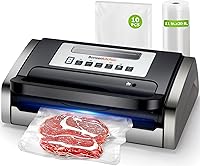
How to Marinate Steak With a Vacuum Sealer
To marinate steak with a vacuum sealer, put the steak and marinade in a seal bag, vacuum out the air, and chill it for 30 minutes to overnight. The vacuum pulls marinade into the meat faster, so a shorter soak does the work of a longer one.
On this page (8 sections)
- What does a vacuum sealer do for a steak marinade?
- Which steaks take best to vacuum marinating?
- How do you build a marinade that seals cleanly?
- How do you seal the steak and marinade step by step?
- How long should you leave it in the fridge?
- How do you cook a steak straight from the marinade bag?
- What if you don't have a vacuum sealer yet?
- What should you do after each marinating session?
To marinate steak with a vacuum sealer, put the steak and marinade in a seal bag, vacuum out the air, and chill it for 30 minutes to overnight. The vacuum pulls marinade into the meat faster, so a shorter soak does the work of a longer one.
You get two wins in one bag: flavor goes in, and the steak is already sealed for the fridge or freezer. This guide covers the cut, the marinade, the seal, and the cook.
What does a vacuum sealer do for a steak marinade?
A vacuum sealer removes air so the marinade presses against every surface of the meat. That tight contact can help flavor move in faster than an open dish, where the steak sits half covered.
The bag also keeps the marinade from spilling and means you don't have to flip anything, because the steak is fully wrapped. You use less liquid, since a few tablespoons can coat the whole cut.
That saves oil, soy, wine and citrus. It is also why the method suits meal prep: marinate, seal, then chill or freeze in the same bag.
Vacuum marinating is a shortcut, not a guarantee. A thin cut in a strong marinade can taste seasoned in 30 minutes, while a thick one still needs a couple of hours.
Which steaks take best to vacuum marinating?
Thin and lean cuts gain the most, while thick steaks need more time. Flank, skirt, sirloin, flat iron and round cuts have open surfaces that soak up a marinade quickly.
Ribeye and strip have a lot of fat and thickness, so a vacuum soak is mostly about surface flavor. Give them 1 to 2 hours rather than a quick 30 minutes.
Tough cuts such as chuck or hanger benefit from a longer soak, but acid still matters. Too much lemon or vinegar left overnight can make the outside feel grainy.
Pat the steak dry before cooking. A wet surface steams in the pan, and you want a dry one for a sear.
How do you build a marinade that seals cleanly?
Keep the liquid under about half a cup per pound so the bag stays easy to seal. A marinade of oil, acid, salt and aromatics works for most cuts: think olive oil, soy, garlic, pepper and a squeeze of citrus.
Skip chunks that jam the seal bar, such as whole rosemary sprigs or big garlic slices near the opening. Chop them fine or keep them in the middle of the bag.
Salt is the one ingredient to watch. A salty marinade left for hours can cure the surface, so go lighter when you plan a long soak.
If you like a wet marinade, a chamber machine handles it better than a suction sealer. That is a real reason to choose one.
How do you seal the steak and marinade step by step?
Fill, flatten, vacuum, seal, then chill is the working order. Keep the liquid below the seal line and the whole job takes a few minutes.
- Cut a bag long enough to leave 2 inches of clear space above the steak and marinade.
- Add the steak, then spoon the marinade over it, keeping the top edge dry.
- Smooth the bag so the liquid stays spread around the meat.
- Vacuum and seal, using a moist or gentle setting if your machine has one.
- Label the bag with the date and chill it.
If your sealer refuses to pull a vacuum, our fixes for why is my vacuum sealer not vacuuming cover the usual causes, from a bad seal to moisture in the channel.
Which machine suits a wet marinade?
The Nesco Deluxe VS-12 is the pick for moist marinades because it has dry, moist and double seal modes plus a gentle vacuum option. That gentle setting controls pressure so a soft or liquid-loaded bag doesn't leak toward the seal.
Its double heat seal creates a stronger seal than a single one, which helps when a marinade sits against the bag for hours. The viewing window lets you check the bag is placed straight before it locks.
For a steak, 8.6 inch rolls suit single portions and the wider 11.8 inch roll fits a large cut. Two rolls come in the box.
Which machine suits most kitchens?
The FoodSaver V4400 is the easiest all-round pick for marinating steak. Its automatic bag detection means you slide the bag in and the machine handles vacuum and seal, which keeps a wet bag moving fast.
Moisture detection switches the machine to the right mode when it senses liquid, so a splashy bag doesn't ruin the seal. The removable drip tray catches overflow and is dishwasher safe.
It also works with zipper bags, containers and a quick marinator accessory, so it covers other marinating jobs. The built-in roll storage and cutter make custom bags simple.
Which bags fit a steak and a marinade?
The FoodSaver Custom Length Rolls Multipack is the pick if you want to cut each bag to fit the steak. It holds two 8 inch and three 11 inch heat seal rolls, so one cut can be sealed tight and the next can keep room for a marinade.
The BPA-free multi-ply film is safe for the freezer, fridge, microwave and dishwasher. It is made for FoodSaver systems, and FoodSaver says it guards against freezer burn better than non-vacuum storage.
Cut the bag longer than the steak plus marinade, then seal one end before loading. That gives you a clean base and a dry top edge.
How long should you leave it in the fridge?
Give a thin cut about 30 minutes and a thick one 1 to 4 hours. Flank or skirt can go overnight, but cap an acidic marinade at 24 hours.
Keep the bag in the fridge, not on the counter. Flip a thick steak once so both sides sit in the liquid, even in a vacuum bag.
Time the soak from the moment the bag is sealed, and write it down if you plan to leave it overnight. A note on the bag stops the guesswork.
If your fridge runs cold or you plan a long soak, a flatter bag helps here too. A steak pressed into a thin, even layer chills through faster, so the middle of a thick cut spends less time in the warm zone before it reaches fridge temperature.
How do you cook a steak straight from the marinade bag?
Open the bag, pat the steak dry, and discard the used marinade. A dry surface browns better, and the marinade that touched raw meat should not be served as a sauce.
Sear over high heat, then finish to your target temperature and rest the steak a few minutes. If you want a pan sauce, boil any reserved clean marinade for a full minute first.
The vacuum bag also freezes well if plans change. Freeze the marinated steak flat, then thaw it in the fridge and cook within a day or two.
What if you don't have a vacuum sealer yet?
You can still marinate steak without one. A zipper bag pressed flat against the meat and a bowl with a tight lid both hold a marinade close, and they work fine for an overnight soak.
Our guide to how to vacuum seal without a vacuum sealer shows the water-displacement trick that gets most of the air out of a zip bag.
If you're weighing a budget machine, the Bonsenkitchen vacuum sealer review covers what a smaller unit handles and where it stops. For cleaning after a marinade spill, see how to clean a FoodSaver handheld vacuum sealer so the channel and gaskets stay dry.
What should you do after each marinating session?
Clean the seal bar, gaskets and drip tray after a wet bag, then let the parts air dry. Marinade residue left in the channel can stop the next bag from sealing.
Wipe the machine with a damp cloth, remove and wash any tray, and store the lid open so the gaskets don't stay pressed. Then run a quick seal on an empty bag before your next steak.
To bring it back to how to marinate steak with vacuum sealer every time, keep three habits: dry top edge, liquid under half a cup a pound, and a chill in the fridge. Pick the V4400 for automatic sealing, the VS-12 for moist marinades, and the custom rolls for bags that fit each steak.
Frequently asked questions
Can you marinate steak in a vacuum sealer bag with the marinade inside?
Yes. Seal the steak and liquid marinade in a vacuum bag, then vacuum and seal it.
Use a moist setting if your machine has one, and keep the liquid line below the seal bar so it doesn't get pulled into the pump.
How long should you marinate steak in a vacuum sealer?
About 30 minutes is enough for a thin cut, while thicker steaks do well with 1 to 4 hours in the fridge. Overnight suits tougher cuts like flank or skirt.
Stop at 24 hours for acidic marinades, which can start to toughen the surface.
Does vacuum marinating really work faster?
It can. Pulling the air out lets the marinade sit tight against every surface of the meat and can help it move into the fibers faster than an open dish.
Treat it as a shortcut, not a magic step, so taste the result and adjust next time.
Can you vacuum seal a steak with a wet marinade in a chamber machine?
Yes, chamber machines handle liquids better because they seal in a chamber rather than pulling air across the bag opening. That makes them a good fit for soy, oil and citrus marinades that would creep toward the seal bar in a suction sealer.